

Zoey November on Her Inspirations, Collaborations and Her Capstone Project
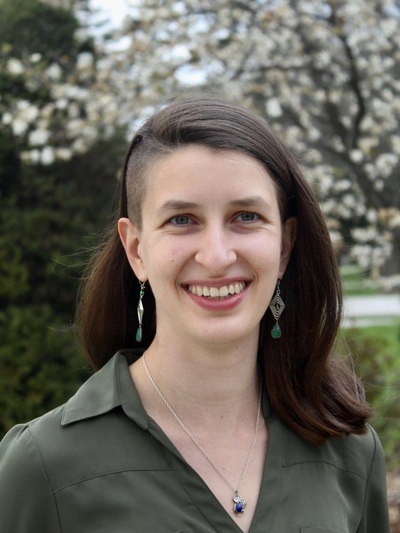
Zoey November
Ohio State Department of Dance MFA Candidates Zoey November and Mary Storm will perform their respective capstone projects – “Stitching a Quilt of Armor” and “Thirty-one hours to live” – in The Ohio State University Department of Dance’s MFA Concert March 6-7 in the Barnett Theatre in Sullivant Hall. We caught up with November between rehearsals to learn more about her artistic process, her research and her reasons for making dance such an integral part of her life.
Damian: How did you get started in dance and what inspired you to keep pursuing it as a career?
Zoey: I grew up folk dancing with my family, so dance has always been a place of intergenerational community and connection for me, no matter the form. Over the years, I’ve studied many different forms and found a deep interest in contemporary-based improvisation, as it’s very widely accessible, allowing for individual bodily agency in every movement.
Now, as a performing artist, choreographer and dance educator, I still view dance as a deeply embodied expression of community, and I see my role in the field of dance as a facilitator of community engagement above all else.
Damian: Can you share a little about your collaboration with Open Door Stage & Screen?
Zoey: Absolutely! I was really fortunate to find my way to Open Door Columbus last summer through a Mellon Foundation Arts Engagement Internship. Open Door is a local non-profit providing career support and adult day services for folks with disabilities in the Columbus area, and one of their programs provides training and opportunities in the performing arts.
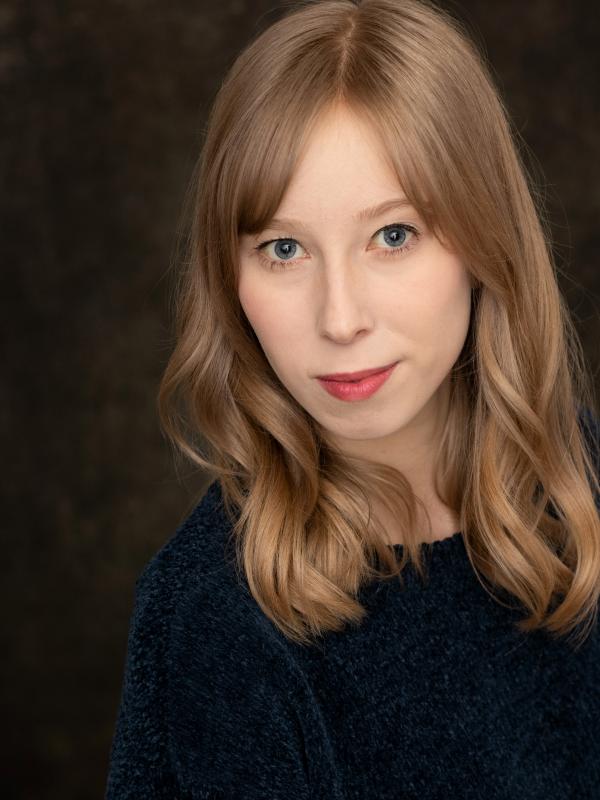
Mary Storm
As part of my internship there, we put on an interdisciplinary show, A Thousand Small Changes, that was written by the performers based on their own lived experiences, leaning heavily on dance and movement to portray abstract ideas. Through that intensive creative process, we built such strong relationships that when it came time to work on my MFA project, I knew we had to continue the collaboration! I’m so grateful for the ensemble’s creative partnership and everything the Open Door staff has done behind the scenes to support this project.
Damian: Disability culture and the aesthetic of disability are driving factors in your dance research. How does this influence your creative practice?
Zoey: My research examines accessibility in professional dance training and performance, guided by questions of access and representation. One in four Americans has a disability, but where is that representation on stage? What barriers need to be recognized and removed just to gain access to a dance education? Placing dancing bodies on stage is inherently political – it makes a strong statement about who is valued in society, who is recognized as being worthy of public attention, and who the public will pay to see. So my creative practice is inextricably intertwined with advocacy work and the centuries-old fight for human rights and bodily agency.
It shows up every day in rehearsal as my dancers and I collaborate to find what movements are a good fit for each body, how we can honor what each body has to say, and how we make space and extend care towards each other on days when the body needs more rest. It shows up before we even get to the studio, when we have to navigate all these barriers of transportation, autonomy and guardianship just to get in the room. As a person with invisible disabilities, Disability community has always been a huge part of my life, so when I came to The Ohio State University Department of Dance it felt natural to create space for my community, and to share the joy and innovation that we have to offer.
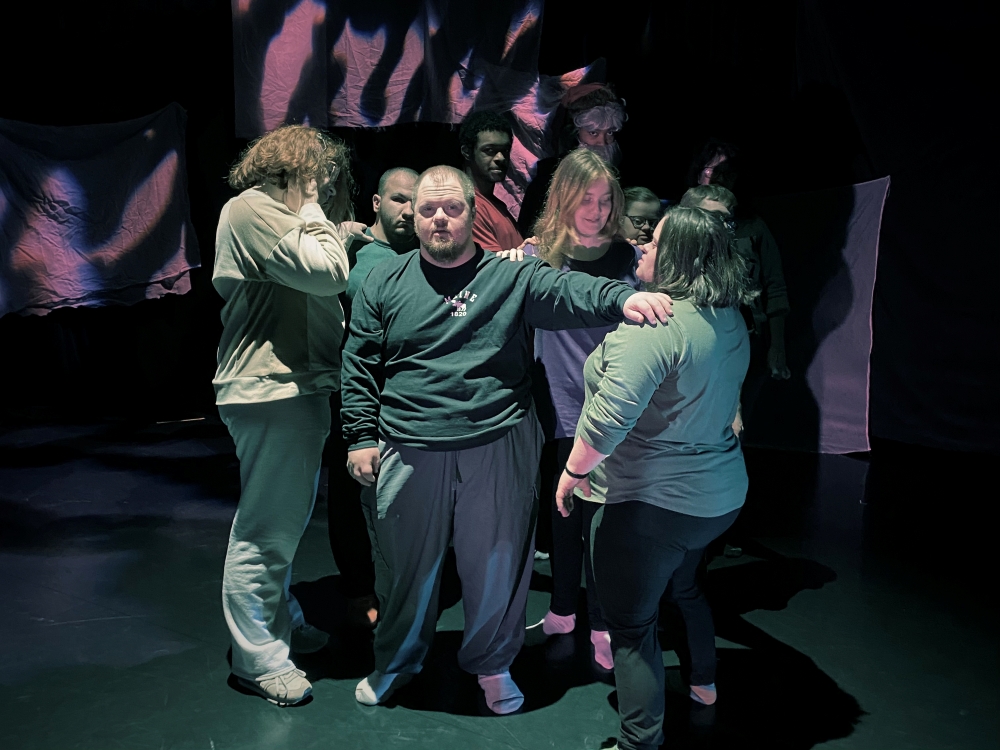
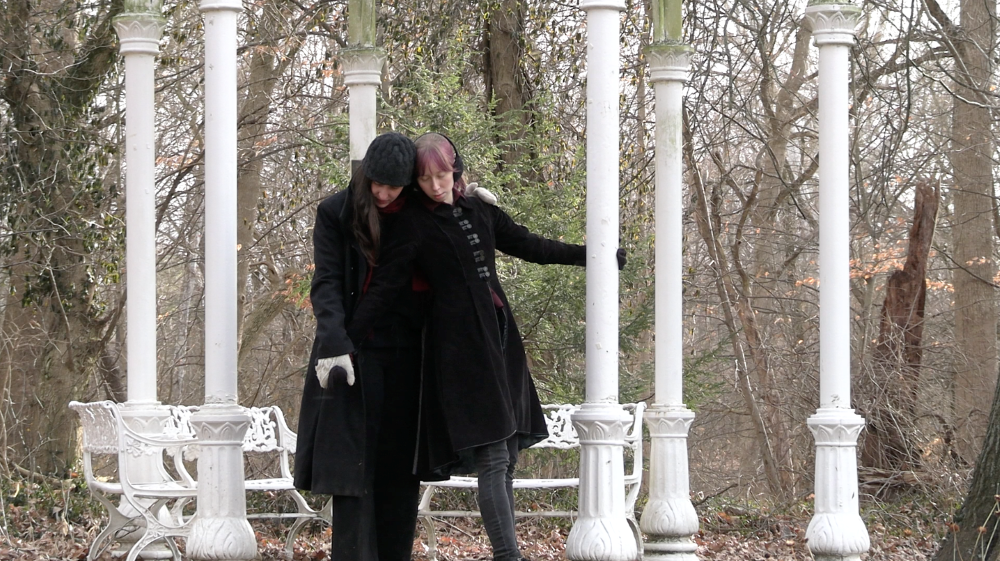
Stitching a Quilt of Armor by Zoey November
Damian: Your research interests are also informed by your background working in natural resources. How is this realized in your work?
Zoey: Everything in this world is interconnected – you pull at one thread, and a complex web of relationships emerges. Environmental justice is inextricably related to Disability justice and to every marginalized group of people.
To give just one example, environmental pressures have created unlivable conditions around the globe, leading to mass migrations, and many immigrating people enter the service industry, some as personal assistants for folks with disabilities – so in my cast of 13 dancers, almost everyone receives care from a first-generation immigrant – which is obviously a really precarious and vulnerable spot to be in right now. Everyone’s rights are interconnected and none of us are free until we’re all free, so environmental rights have a foundational impact on every other major issue we see today. And environmental disasters hit vulnerable and marginalized people the hardest, so in a way, Disabled people’s bodies are like the canary in the coal mine.
Climate poet and Disability rights activist Naomi Ortiz sums it up better than I can, as she points out that in these times we should turn towards Disability culture as a valuable resource of experience and knowledge for adapting to environments and socio-political structures that are not shaped for your own survival. So that’s a long-winded answer, but the way that shows up in my creative work is twofold: first, the work I do builds deep community, and the relationships we nurture in the studio support each other outside the studio in times of need. And second, while dance doesn’t change laws and policies, it can change the people who write them.
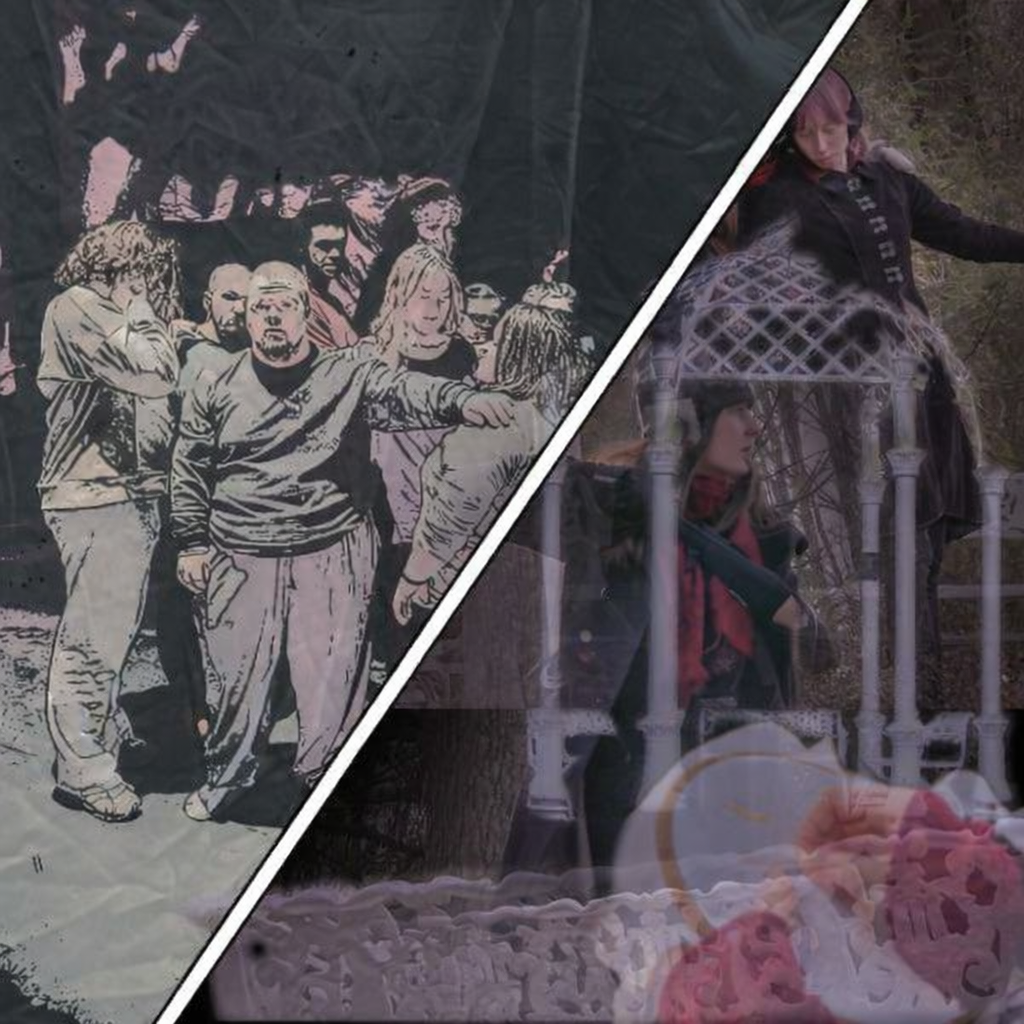
Thirty-one hours to live by Mary Storm
Damian: Will you please tell us a little about your upcoming MFA Concert with your colleague Mary Storm?
Zoey: The concert we’ve created is a split bill, with what I’d say are two very complimentary works. Both halves of the concert are exploring power imbalances, individual autonomy, and a struggle for self-determination, in the context of everything currently happening in the United States. Mary’s work, Thirty-One Hours to Live, investigates these issues from the perspective of two people in an intimate relationship, while my work, Stitching a Quilt of Armor, focuses more on agency and advocacy within a broader community. I have the honor of performing in Mary’s piece, which has been a great opportunity to delve into more of her research on intimacy coordination in dance. I feel like I’ve learned a lot throughout the process of creating this concert, and I’m excited to finally share it!
Damian: What’s on your current playlist?
Zoey: If I’m in the kitchen, it’s a lot of Latin jazz – Arturo Sandoval, Tito Puente, Buena Vista Social Club – or if I’m doing dishes, I’m listening to the Handsome Pod! In the studio, it’s a wide range of genres: Nina Simone, Andrew Bird, Billy Joel, Tracy Chapman, Galt MacDermot, Nightingale, King Bird, Suzane… and on and on. I’ve been inspired a lot lately by protest songs, both from the civil rights movement and the ones being written today.
Damian: What do you do to relax or unwind?
Zoey: I love quilting and sewing, and since I’ve been making costumes for a cast of 13 dancers, I’ve been doing a lot of it these days! There’s a lot of work that has gone into producing this MFA Concert, and it’s been really great to come home and have a crafting project that helps me unwind. The fact that it’s also contributing towards the creative process has been a really great way to build self-care into the work.
 Damian: What are some of your favorite things in Columbus?
Zoey: For restaurants, I love going to Bonifacio, Awadh, or Tiger + Lily. If I need something quick, Brassica is definitely on my list, too! One of the biggest things I appreciate about Columbus is the bike paths and metro parks; I think it’s a really great investment in the natural areas of the city and I love any opportunity to get outside and spend some time with the trees, rivers and birds.
You can see Zoey November’s and Mary Storm’s works in The Ohio State University Department of Dance’s MFA Concert March 6-7, 2026 in the Barnett Theatre in Sullivant Hall, 1813 N. High St., Columbus, OH 43210.
About the Author
Damian Bowerman is external relations coordinator for the Ohio State Department of Dance.
This article is part of a bi-weekly column brought to you by the Greater Columbus Arts Council as part of the Art Makes Columbus campaign. Explore a calendar of events, public art database, artist-curated public art tours and stories at columbusmakesart.com. To learn more about GCAC grants visit gcac.org.